
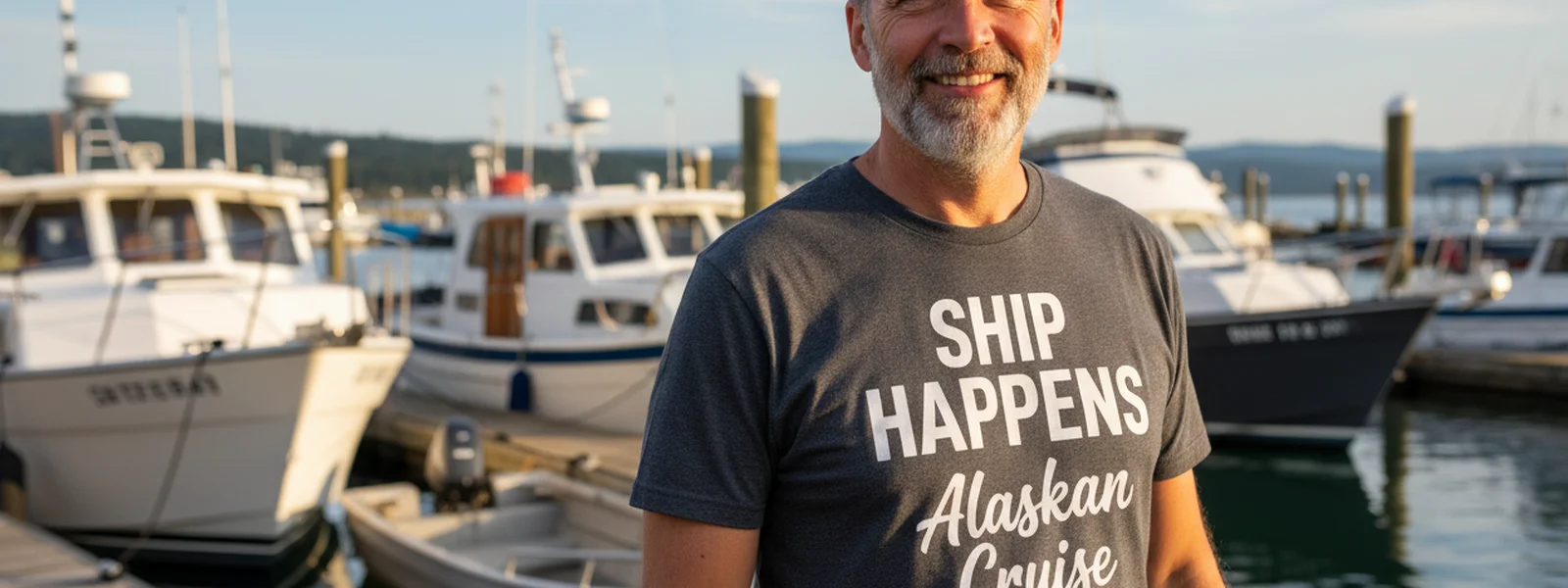
Alright, listen up. You own a boat, or you spend enough time around them to know the difference between a bilge pump and a blender. So, let’s talk hulls. Specifically, boat hull types. It’s not exactly dock-bar banter material, but understanding what’s under your waterline is more important than knowing how to tie a perfect bowline (unless you’re on a sailboat, then both matter). This isn’t about making you a naval architect; it’s about understanding why your boat acts the way it does when you're trying to get to that prime fishing spot or just trying to navigate a choppy Tuesday afternoon.
Because let’s be honest, we’ve all been there: wondering why the guy in the sleek speed boat is bouncing off every wave, while your old trawler just plows through it like a grumpy elder statesman. Or vice versa, if you’re the one trying to get somewhere fast. It all comes down to the shape of the thing that spends its life in the water. We’re going to break down boat hull types without using a single fancy word you wouldn’t hear at a marina on a Saturday morning.
Why Your Hull Matters More Than Your Cup Holders (Usually)
Think of your boat’s hull as its personality. Some are built for speed, some for comfort, some for just stubbornly staying upright. It dictates everything from how fast you can go to how much fuel you burn, and even how many times your spouse glares at you during a particularly bumpy ride. Ignoring your hull’s design is like buying a truck with a trailer hitch but never checking its towing capacity. You’re going to have a bad time, or at least a less efficient one.
The hull is the foundation. It’s the part that actually interacts with the water, which, if you haven’t noticed, is a pretty important interaction for a boat. Understanding these fundamental boat hull shapes helps you predict how your vessel will behave, whether you’re navigating tight channels or just trying to keep your beer from spilling on the deck.
The Three Big Hull Types: A Field Guide for the Real Boater
Most boats you see at the dock, whether they're lake boats or ocean-faring vessels, fall into one of three primary boat hull types. Each has its own quirks, its own strengths, and its own unique way of making you say, “yeah, ship happens.”
- Displacement Hulls: The marathon runners.
- Planing Hulls: The sprinters.
- Semi-Displacement Hulls: The undecided.
1. Displacement Hulls: Slow & Steady Wins the Race (to the Dock Bar)
These are the old souls of the boating world. Displacement hulls are designed to push through the water, displacing a volume of water equal to their own weight. They’re typically rounder, with a deeper keel, and they never really lift out of the water. Think of trawlers, most sailboats, and those sturdy old tugboats you see chugging along.
The Good News:
- Fuel Efficiency (at speed): They’re efficient at lower speeds because they cut through the water rather than trying to get on top of it.
- Smooth Ride: In choppy conditions, they tend to ride over waves more smoothly, minimizing the slamming you get from other hull types.
- Stability: Often very stable, especially in rougher seas, which is nice when you’re trying to keep the coffee in the mug.
The Bad News:
- Slow: You’re not winning any races. Their maximum speed is limited by a fundamental physics principle called hull speed.
- Power Hungry (for speed): Trying to push a displacement hull faster than its hull speed is like trying to push a brick through water – you just burn a lot of fuel for very little gain.
If you’re the kind of boater who believes the journey is the destination, and that destination usually involves a leisurely pace and a good book, you’re probably rocking a displacement hull. They’re for people who understand that some things just can’t be rushed. For the true sailor who knows the difference between a sheet and a halyard, our
is a fitting tribute to life at sea.2. Planing Hulls: When You Actually Want to Get Somewhere
Now, if you like the wind in your hair and the spray in your face (or at least, not having to wait all day to get to the next cove), you’re probably on a planing hull. These boat hull types are designed to lift out of the water and skim across the surface at higher speeds. They typically have flatter bottoms towards the stern and a V-shape forward to cut through waves.
The Good News:
- Speed: This is their superpower. They can go fast, really fast.
- Exhilarating Ride: There’s nothing quite like feeling your boat get up on plane and fly across the water.
- Shallow Draft: Many planing hulls can operate in shallower water when on plane, which is handy for those tricky approaches.
The Bad News:
- Rough Ride (in chop): When not on plane, or in significant waves, they can pound and slam, making for a less comfortable (and often wetter) ride.
- Fuel-Hungry (at speed): Getting up on plane and staying there requires a lot of horsepower and, subsequently, a lot of fuel.
- Less Stable (at rest): Can be a bit rolly or tippy when sitting still, especially for narrower designs.
Most runabouts, speedboats, many center consoles, and the majority of recreational powerboat hull designs fall into this category. If your idea of a good time involves leaving a massive wake behind you, you’re probably a planing hull kind of person. We’ve got plenty of gear for that kind of enthusiasm, like our
– perfect for showing off at the fuel dock.3. Semi-Displacement Hulls: The Best of Both Worlds? (Sometimes)
The semi-displacement hull is the compromiser, the middle-of-the-road option. It tries to combine the best characteristics of both displacement and planing hulls. These boat hull types have a finer entry (V-shape) forward like a displacement hull to cut through waves, but a flatter, wider stern like a planing hull to allow some lift at higher speeds.
The Good News:
- Moderate Speed: Faster than a pure displacement hull, but not as fast as a full planing hull.
- Better Ride: Often offers a smoother ride than a planing hull in chop, especially at transitional speeds.
- Decent Efficiency: Can be more fuel-efficient than a planing hull at moderate speeds.
The Bad News:
- Compromise: It’s a jack-of-all-trades, master of none. It won’t be as fast as a pure planing hull or as efficient as a pure displacement hull.
- Transitional Speed: There's a tricky speed range where it's trying to get on plane but isn't quite there, often causing a lot of wake and burning a lot of fuel.
Many cruisers, larger sportfishing boats, and some trawlers designed for a bit more speed use semi-displacement hulls. It’s for the boater who wants a little of everything but understands they can’t have it all. For those who appreciate the nuances of understanding boat hulls, we've got the gear that speaks your language.
The Nitty-Gritty Hull Shapes: A Few More Details for the Obsessed
Beyond the three main categories, hulls come in various specific shapes that tweak their performance.
V-Hulls (Deep-V & Modified-V)
Common in planing and semi-displacement boats. A deep-V has a sharper angle (deadrise) at the stern, cutting through waves for a softer ride but rolling more at rest. A modified-V has a shallower deadrise, offering a compromise between ride comfort and stability. It's the difference between a rough but fast ride, and a slightly less rough but still fast ride. The kind of thing that makes you appreciate a good beer at the dock after.
Flat Bottoms
As the name suggests, these are flat. They offer a very shallow draft, making them great for skinny water like rivers, lakes, and marshes. Think jon boats, some skiffs, and of course, many pontoon boats. The downside? They pound like crazy in any kind of chop. If you're riding a flat bottom in rough water, you'll feel every single wave. Pontoon owners know this pain, and we’ve got shirts that acknowledge it, like our
– because sometimes, even a pontoon ride feels like an expedition.Catamarans & Multihulls
These have two (catamaran) or more (trimaran) hulls. They offer incredible stability, speed (especially sailing cats), and often a huge amount of deck space. They don’t typically 'plane' in the traditional sense but achieve high speeds by reducing wetted surface. They track straight and handle chop differently, often cutting through it. The downside is they can be wider, making dockage a bit more… creative. If you've ever tried to tie off a cat in a tight slip, you know what we mean.
Why This All Matters on the Water (Beyond Bragging Rights)
So, why should you care about understanding boat hulls beyond impressing your slip neighbors? Because it directly impacts your boating experience:
- Handling & Performance: A planing hull will turn differently than a displacement hull. A deep-V will track straighter in chop than a flat bottom. Knowing this helps you anticipate and react.
- Fuel Economy: This is a big one. Trying to force a displacement hull to plane is a quick way to empty your tank. Running a planing hull at low, off-plane speeds can be surprisingly inefficient too.
- Comfort: A smooth ride means happier passengers. A pounding ride means sore backs and spilled drinks. Choose your hull (or accept your current one) wisely.
- Safety: How your boat handles rough weather is directly tied to its hull. A displacement hull might be slow, but it’s often more predictable and seaworthy in a storm. A planing hull might need to slow down significantly to avoid damage or injury.
It’s all part of the big, glorious, often frustrating, but always amusing experience of owning a boat. Whether you’re trying to master docking without drama or just figuring out the best way to get on plane during launch ramp day, your hull is at the core of it.
So, What's Your Hull Story?
Ultimately, the best boat hull type is the one that best suits your boating style, your local waters, and your tolerance for speed versus comfort. There’s no single “best” answer, just like there’s no single “best” brand of bilge pump. (Though we all have opinions, don’t we?)
Understanding the basics of boat hull types helps you make informed decisions, appreciate your vessel’s quirks, and maybe even explain to that landlubber why you can’t just go faster. Real boats. Real laughs. That’s what we’re about.
Ready to wear your boating humor on your sleeve? Shop the Lineup of our Boat Humor T-Shirts, designed for real boat owners.

Published by Ship Happens Shirt
Real boats. Real laughs.
Frequently Asked Questions
What's the main difference between planing and displacement boat hulls?
Planing hulls are designed to lift out of the water and skim across the surface at higher speeds, prioritizing velocity. Displacement hulls, conversely, push through the water, remaining submerged, and are known for their fuel efficiency and smoother ride at lower, more consistent speeds.
Which boat hull type is best for speed?
Planing hulls are unequivocally designed for speed. Their ability to lift out of the water significantly reduces drag, allowing them to achieve much higher velocities compared to displacement or semi-displacement designs, though often at the cost of fuel efficiency and ride comfort in chop.
Are pontoon boats considered flat-bottom hulls?
Many pontoon boats, particularly those with two simple pontoons, exhibit characteristics similar to flat-bottom hulls in their interaction with the water, offering a shallow draft ideal for lakes and rivers. While technically multi-hulls, their performance in chop can resemble a flat-bottom, making for a less comfortable ride.
How does a semi-displacement hull compare to a deep-V?
A semi-displacement hull attempts to blend speed and efficiency, having a finer bow for cutting waves and a flatter stern for some lift. A deep-V, typically a type of planing hull, has a sharper deadrise throughout for a softer ride in waves at speed, but can roll more at rest and is generally less fuel-efficient than a semi-displacement at lower speeds.
Why is hull shape important for fuel efficiency?
Hull shape is critical for fuel efficiency because it determines how much resistance the boat encounters from the water. Displacement hulls are efficient at low speeds by cutting through water, while planing hulls achieve efficiency at high speeds by reducing wetted surface. A mismatch between hull type and desired speed leads to wasted fuel.
Does hull type affect how a boat handles rough water?
Absolutely. Displacement hulls typically offer a smoother, more predictable ride in rough water by plowing through waves. Planing hulls, especially those with flatter bottoms, tend to pound and slam in chop, making for a less comfortable experience, though deep-V planing hulls can cut through waves more effectively.
Tied off and standing by
New designs, dock-life dispatches, and the occasional sale. No spam.