
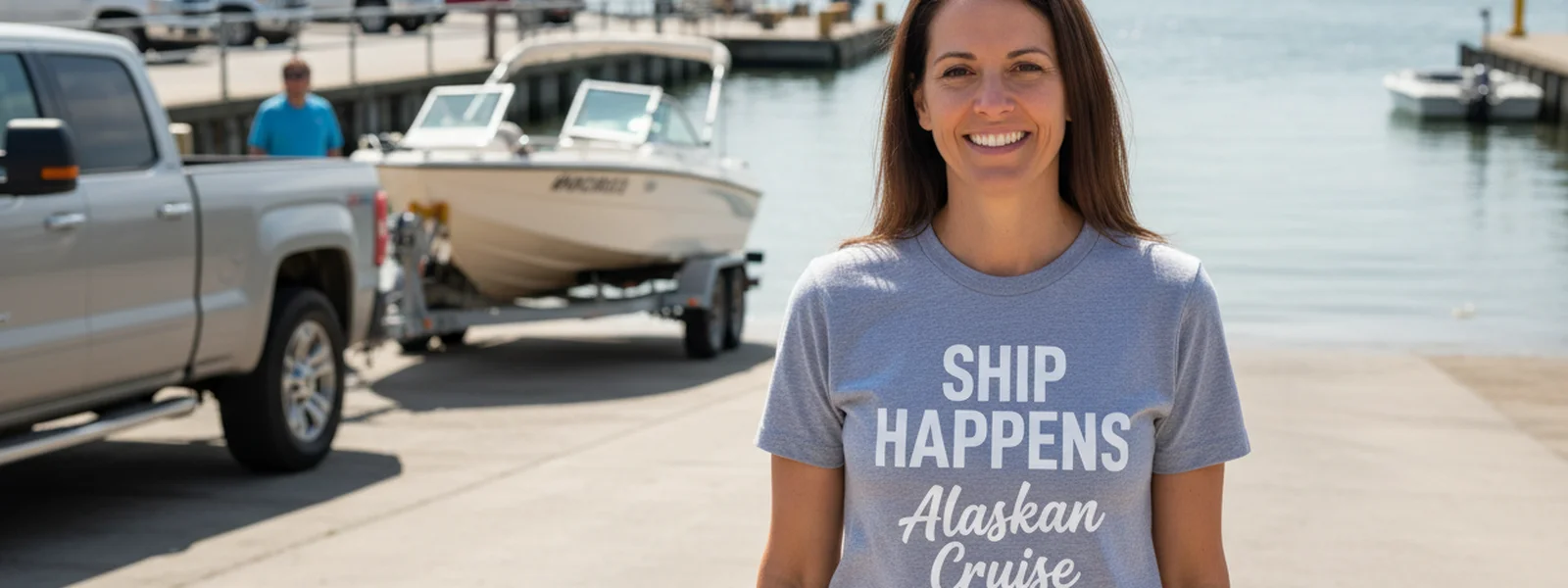
Ah, the boat launch ramp. For some, it’s the gateway to a glorious day on the water. For others, it’s a crucible of stress, impatience, and the occasional marital dispute played out for an audience of total strangers. We’ve all seen the drama unfold: the sideways trailer, the dead battery, the forgotten drain plug. It’s part of the authentic boating experience, right?
But it doesn't have to be a full-blown spectacle every time. With a little foresight, a dash of patience, and a healthy dose of self-awareness, you can master the art of the boat launch ramp. We're talking about getting your rig in and out efficiently, respecting your fellow boaters, and maybe even enjoying the process. Because, let's be honest, the faster you're off the ramp, the faster you're actually boating.
This isn't about being a professional trailer-backer (though that helps). It's about minimizing the chaos and maximizing your time on the water. Consider this your definitive guide to stress-free boat launch ramp tips, with a healthy dose of launching boat humor to keep things in perspective. After all, if you can’t laugh at yourself at the ramp, you’re probably yelling.
Pre-Ramp Prep: Your First Line of Defense
The secret to a smooth launch day actually starts long before you ever hit the concrete incline. Think of it like pre-flight checks, but for a vessel that’s designed to float, not fly (usually). A little preparation here saves a lot of public humiliation there.
-
Check Your Gear (Before You Go): Is the drain plug in? (Seriously, check it twice.) Are your lines ready to grab? Fenders positioned? Bimini folded? Cooler packed? Everything you need for the day should be organized and accessible, not buried under a pile of life jackets you’ll have to dig through at the water's edge. This isn't a game of 'find the sunscreen' while a line of angry boaters glares.
-
Inspect Your Trailer (Again): Tires inflated? Lights working? Hitch secured? Safety chains crossed? A broken trailer light or a loose hitch pin isn't just a minor inconvenience; it’s a ramp-stopping incident waiting to happen. And nobody wants to be the guy holding up the line because his trailer decided to go rogue.
-
Strap Down and Cover Up (For the Road): Make sure your boat is properly secured to the trailer for transit. Covers latched, straps tight. You don't want a rogue fender flying off on the highway, or worse, your boat trying to escape its trailer. Once you get to the staging area, this is also when you'll remove your tie-downs and cover – again, before you get into the actual queue.
-
Know Your Ramp: Is it steep? Slippery? Does it have a strong current? Are there hidden rocks? A quick scout, or even just asking a local, can save you from an unexpected surprise. Local knowledge is free, and often worth its weight in gold-plated impellers.
Doing all this in the staging area, away from the actual ramp, is prime boat ramp etiquette. You pull up, you're ready, you're efficient. It's like having your lines already coiled. Speaking of efficiency, our
are designed for folks who appreciate getting things done right the first time. No fuss, just good humor for real boaters.The Launch: A Ballet (or Brawl) of Boats
Now for the main event. You've prepped, you're staged, and the ramp is clear. Or, more likely, there's a guy in front of you still trying to figure out which end of the boat goes in first. Patience, friend. Patience.
-
The Backup: This is where reputations are made or broken. Take your time. Use your mirrors. If you have a spotter, communicate clearly. Hand signals are great; yelling is not. Remember, everyone is watching. Especially the kids on the dock who are rating your performance. If your backup skills aren't exactly pro-level, consider practicing in an empty parking lot. It saves face, and maybe your marriage.
-
Submerge Just Enough: Don't dunk your entire truck, unless you're aiming for a new form of aquatic vehicle. Submerge the trailer just enough so the boat floats free, or can be easily pushed off. Over-submerging can make retrieving harder and puts unnecessary wear and tear on your vehicle.
-
Launch and Move: As soon as your boat is off the trailer, move your vehicle and trailer out of the way. Do not tie up the ramp while you go park your car. Have a plan. If you're solo, tie a line to the dock, park, then retrieve your boat. If you have a crew, one person drives the boat away, the other parks the truck. Efficiency is key to avoiding ramp drama.
Launching a boat can be an exercise in controlled chaos, but it's also a skill. And like any skill, it gets better with practice. Just try to keep your cool. If the stress is getting to you, maybe you need a new shirt that says it all for you. Our
is a popular choice for those moments when words just aren't enough.Retrieving: The Grand Finale
The day is done, the sun is setting, and it’s time to put the boat back on its trailer. This is often where the real fun begins, as tired boaters, sometimes a little sun-baked, try to execute precision maneuvers. It’s the reverse of the launch, but with added fatigue and sometimes, a little more current.
-
Approach with Purpose: Bring your boat to the ramp slowly and deliberately. If there's a strong current or wind, compensate early. Aim for the center of the trailer. Don't be afraid to make multiple approaches if needed. Better to take an extra minute than to bang up your hull or, worse, someone else's.
-
Winch, Don't Power Load: While it might seem faster, power loading (using your boat's engine to drive it onto the trailer) can damage the ramp, create prop wash that erodes the launch area, and annoy everyone around you. Slowly winch your boat onto the trailer. It’s safer for your boat, your trailer, and the ramp itself. Plus, it’s just good manners.
-
Secure and Move: Once the boat is securely on the trailer and the bow is latched, immediately pull your vehicle and trailer clear of the ramp. Do not spend ten minutes tying everything down, pulling the plug, or draining the livewell while others wait. Head to the staging area for that. This is crucial for avoiding ramp drama and keeping the peace.
Retrieving is often more challenging than launching, especially in busy conditions. If you're lucky, you'll have a helpful partner. If not, you might find yourself needing a moment to collect your thoughts. A comfortable
can be perfect for those cooler evenings at the ramp when you're trying to figure out if you forgot anything.Ramp Etiquette: Don't Be That Guy
Boat ramp etiquette is simple: be prepared, be efficient, and be considerate. It’s not rocket science, but you’d be surprised how many people treat it like a personal challenge to annoy as many fellow boaters as possible. Here are a few unwritten rules to keep in mind, because nobody wants to be known as 'that guy' at the marina.
-
Minimize Ramp Time: The ramp is for launching and retrieving, not for loading coolers, strapping down gear, or having a picnic. Do all your prep and post-trip work in the staging area. Every minute you spend on the ramp is a minute someone else is waiting.
-
Offer Help (When Appropriate): If you see someone struggling, and they look like they could use a hand (not just a spectator), offer it. Most boaters appreciate a little help. Just don't jump in and take over unless explicitly asked. Sometimes, a simple 'Need a push?' is all it takes to turn a bad day around.
-
Be Patient: We all want to get on the water, or get home. But things happen. Trailers get stuck, engines won't start, and sometimes people are just new to this. A little patience goes a long way. Honking your horn or yelling only makes things worse. Unless it’s truly a safety issue, take a deep breath.
-
Clean Up: Don't leave trash or discarded lines at the ramp. Pack it in, pack it out. Keep the ramp clean for everyone. It’s basic respect for a shared resource.
Following these simple guidelines makes the boat launch ramp a less stressful place for everyone. It’s about being part of the community, not just using a facility. If you're looking for gear that reflects that no-nonsense, community-minded boater spirit, check out our
. They're designed for people who get it.When Ship Happens: Embracing the Chaos
Even with the best boat launch ramp tips and perfect etiquette, sometimes, well, ship happens. You forget the plug. Your trailer tire goes flat. The boat battery dies. These are the moments that truly test a boater's resolve and sense of humor.
We’ve all got stories. The time the boat slid off the trailer a little too early. The time the truck brakes squealed just a bit too hard at the bottom of the ramp. The infamous 'trailer jackknife' that required a full public intervention. These are the rites of passage, the stories you tell at the dock bar, often ending with a shrug and a beer. Because that's what owning a boat is all about: the good, the bad, and the utterly ridiculous.
It's in these moments that our brand really shines. Because we get it. We've been there. We know the feeling of a perfectly executed launch, and the sinking dread of a forgotten tie-down. That's why we make shirts like our
— for the boater who knows the score, and can still crack a smile when things go sideways. It’s part of the launching boat humor that binds us all together.Don't let a bad ramp experience ruin your day. Take a deep breath, learn from the mishap, and remember that everyone has a story. And if you need a reminder that you're not alone in your dockside struggles, we've got you covered. You can browse all our
for that perfectly broken-in feel, ideal for those long days at the ramp or just kicking back afterwards.Gear Up for the Grind (and the Grin)
Ultimately, a successful boat launch ramp day isn't just about flawless execution; it's about attitude. It's about approaching the ramp with a plan, a little patience, and a willingness to laugh when things inevitably don't go exactly as planned. Because that’s the real essence of dock life.
So, the next time you're heading to the ramp, make sure your gear is ready, your trailer is hitched, and your sense of humor is firmly in place. And if you need a shirt that speaks volumes without you having to say a word, you know where to find us. Real boats. Real laughs. That's the whole brand.
For more tips on keeping your boat life smooth, check out A Beginner's Guide to Docking Without Drama. And if losing things is more your style, we've got you covered with The Boater's Guide to Not Losing Your Keys (Again). Because every boater has been there.

Published by Ship Happens Shirt
Real boats. Real laughs.
Frequently Asked Questions
What's the most important thing to check before backing down the ramp?
Always, always, always check your drain plug first. It sounds obvious, but forgetting it is a classic boater blunder that's guaranteed to ruin your day. A quick visual confirmation of your trailer hitch and safety chains is also critical for safety.
How can I avoid long waits at a busy boat launch ramp?
The best strategy is to go during off-peak hours, if possible. Early mornings or late evenings are often less crowded than midday weekends. Also, ensure all your boat prep (lines, fenders, gear loading) is done in the staging area, not on the ramp itself, to minimize your time in the queue.
What's the proper boat ramp etiquette when I'm done launching?
Once your boat is safely in the water, immediately move your tow vehicle and trailer out of the ramp area to a designated parking spot. Do not spend time securing gear or draining bilges while others are waiting to use the ramp. Efficiency keeps the flow moving.
Should I power load my boat onto the trailer?
Generally, no. Power loading, while seemingly faster, can cause significant erosion to the ramp due to prop wash and can damage your boat or trailer if not done perfectly. It's better practice to slowly winch your boat onto the trailer, which is safer and more respectful of the shared ramp infrastructure.
What if I'm struggling to back my trailer down the ramp?
Take your time. Everyone has been there. If you have a spotter, use clear, consistent hand signals. If you're alone and really struggling, pull forward, reset, and try again. If the ramp isn't too busy, a polite boater might offer a hand – don't be afraid to accept help if it's offered.
Is it okay to leave my boat tied to the dock while I park my truck?
Yes, if you're launching solo, it's common practice to tie your boat securely to a courtesy dock (if available) after launching, then go park your vehicle and trailer. Just be sure to move your boat away from the ramp's immediate vicinity to keep the area clear for others.
Tied off and standing by
New designs, dock-life dispatches, and the occasional sale. No spam.