
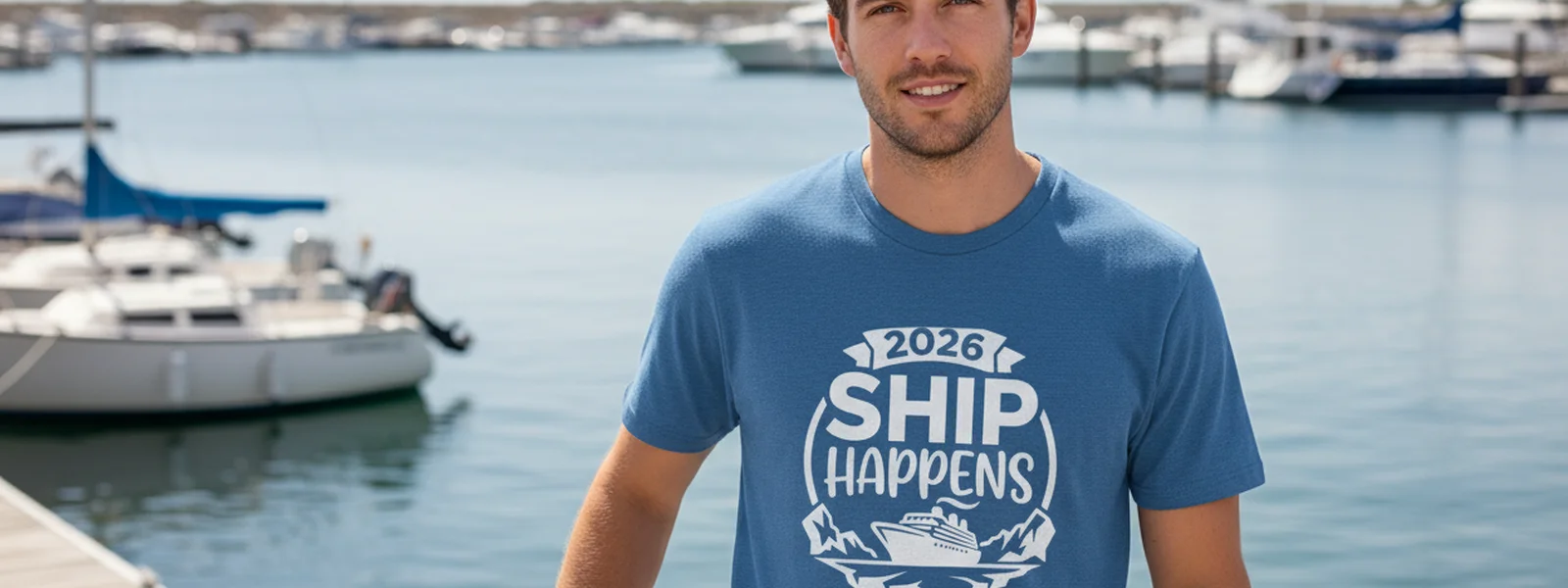
Ah, docking. The moment every boat owner simultaneously dreads and, occasionally, nails. It’s the grand finale of every trip, the nautical equivalent of parallel parking a bus in front of an audience. Whether you’re a seasoned captain or just figuring out how to dock a boat without making international headlines, we've all had those moments where the wind decided to play a cruel joke, or the current had its own agenda. But fear not, fellow boaters. With a bit of planning, a dash of patience, and a healthy dose of humor, you can master the art of getting your vessel safely tied up.
At Ship Happens Shirt, we know the feeling. We’ve seen the sideways approaches, heard the frantic shouts, and probably own a shirt that says, 'Sorry For What I Said While Docking.' This isn't about yacht-club perfection; it's about real boats, real laughs, and getting it done. Let's talk about how to dock a boat with less drama and more confidence.
Pre-Docking Prep: The Unsung Hero of Smooth Approaches
Before you even think about throttling down, a little foresight goes a long way. This isn't just for the beginners; even the old salts forget these steps when the fish are biting or the beer is cold. A good approach starts long before you see your slip.
Check the Conditions, Not Your Phone
Wind and current are the silent captains of your docking maneuver. Pay attention to their direction and strength as you approach the marina. A strong crosswind can turn a simple approach into a pinball game. Knowing these factors helps you plan your angle and speed. Is the wind pushing you off the dock, or slamming you into it? That changes everything.
Fenders & Lines: Ready for Action
Nothing screams 'amateur hour' like scrambling for fenders as you drift towards a pilings. Get your fenders out and set at the appropriate height for the dock you're approaching. Have your dock lines ready, too. One bow line and one stern line, coiled neatly and easily accessible, are your best friends. If you have a crew, assign them roles. Communication here is crucial, even if it's just 'hold this' or 'toss that.'
For those who understand the delicate dance of fenders and lines, our Boat Owner Shirts collection has designs that speak your language, like our
.The Approach: Slow is Smooth, Smooth is Fast (Eventually)
This is where the rubber meets the road, or rather, the hull meets the fender. Your approach dictates the entire maneuver. Resist the urge to rush.
Approach Angle: Work With the Elements, Not Against Them
Aim to approach the dock at a shallow angle, usually around 10-20 degrees. If you have wind or current pushing you, use it to your advantage. Approach into the wind/current for better control, or let a gentle push bring you closer if it’s coming from behind. Think of it like a dance, not a wrestling match. You want a controlled drift, not a collision.
Speed Control: Just Enough, But Not Too Much
This is arguably the most critical part of learning how to dock a boat. You want just enough forward momentum to maintain steerage, but slow enough that you can stop almost instantly. A good rule of thumb: approach at a speed you'd be comfortable hitting the dock at without causing damage. It's usually a lot slower than you think. A brief burst of reverse gear just before impact is your friend for killing forward momentum.
Practice Your Turns
If you're in a tight marina, knowing how your boat pivots is key. Most single-engine boats pivot better in reverse than forward. Practice turning in open water, noting how much rudder or wheel input it takes. This knowledge pays dividends when you’re trying to spin your boat into a tight slip with limited space.
The Tie-Up: Don't Forget the Details
You've made it alongside the dock. Congratulations! Now, don't mess it up by letting your boat drift away while you’re celebrating.
The Spring Line Advantage
For many boaters, a mid-ship spring line is the secret weapon for how to dock a boat. Secure a spring line from your mid-ship cleat to a dock cleat, then put your engine in very gentle forward gear (with the rudder turned towards the dock). This will pull the boat snug against the dock, holding it in place while you secure the bow and stern lines. It's magic, pure and simple.
Secure Your Lines Properly
Once alongside, secure your bow and stern lines. Use appropriate knots – a cleat hitch is standard. Double-check everything. You don't want to come back to find your boat playing bumper cars with your slip neighbor's vessel. Adjust lines for tide changes; too tight and something might break, too loose and you'll be bouncing off the dock.
For those who rely on a steady hand and a good crew, our Captain & First Mate Shirts are perfect. Maybe you’re the captain, maybe you’re the one shouting instructions. Either way, our
fits the bill.Crew Communication: The Art of Not Yelling (Too Much)
If you’ve ever docked with a crew, you know that communication can quickly devolve into a shouting match. The key is clear, concise instructions given *before* the pressure hits.
Assign Roles and Expectations
Before you even leave your mooring, everyone on board should know their job for docking. Who handles the bow line? Who sets the fenders? Who is the designated 'lookout' for other boats or obstacles? A quick briefing saves a lot of headaches (and arguments) later. It's like a pre-game huddle, but with more water.
Use Hand Signals (When Words Fail)
Sometimes the engine noise, wind, or distance makes verbal communication tricky. Develop a few simple hand signals: 'more forward,' 'more reverse,' 'stop,' 'push off,' 'pull in.' These can be lifesavers when the tension is high.
Keep a Sense of Humor
Let's be real: things will go wrong. The wind will shift, a line will snag, someone will drop a fender. It happens. That’s why we say, 'ship happens.' The best crews laugh it off, learn from it, and try again. A good laugh diffuser can be more effective than any knot. Remember, you're out here to enjoy the water, even the parts that make you sweat.
If your docking experiences often end with a chuckle (or a sigh of relief), you'll appreciate our full range of Boat Humor T-Shirts. We've got something for every docking drama. We've certainly got the gear for anyone who knows the frustration of a dock that seems to move.
Common Docking Mishaps (and How to Avoid Them)
We’ve all been there. The slight miscalculation, the sudden gust, the unexpected wake. Learning how to dock a boat means learning from the inevitable bumps and scrapes. Here are a few classics:
- The "Too Fast" Approach: Leads to hard impacts and panicked reverse maneuvers. Solution: Cut power earlier than you think. Let momentum carry you.
- The "Too Slow" Drift: Leaves you at the mercy of wind and current, drifting aimlessly. Solution: Maintain just enough steerage. Small bursts of power are better than none.
- The "Wrong Angle" Entry: Trying to come in perfectly parallel from 50 feet out. Solution: Aim for that shallow 10-20 degree angle. Let the boat pivot as you get closer.
- The "No Communication" Crew: Everyone doing their own thing, or nobody doing anything. Solution: Brief your crew beforehand. Assign clear tasks.
- The "Forgotten Fenders" Fiasco: Hearing the dreaded sound of gelcoat on wood. Solution: Fenders out first, every time. Make it a habit.
Every docking experience is a lesson. Even the seasoned captains learn something new every season. The goal isn't perfection, it's consistent improvement and, ideally, keeping your boat and your pride intact. The next time you're wondering how to dock a boat, remember these tips, take a deep breath, and trust your instincts. And if it all goes sideways, well, that's just another story for the dock bar.
For more insights into the real boat life, check out The Boater's Guide to Not Losing Your Keys (Again). Because let's face it, docking is just one of many challenges we sign up for when we own a boat. And for all those moments, there's a shirt.
Real boats. Real laughs. That's the Ship Happens Shirt way. Shop the Lineup and wear your dock-life stories proudly.

Published by Ship Happens Shirt
Real boats. Real laughs.
Frequently Asked Questions
What is the most common mistake when docking a boat?
The most common mistake is approaching the dock too fast. This reduces your reaction time, makes it harder to correct errors, and increases the risk of a hard impact. Always cut power earlier than you think you need to and let momentum do most of the work.
How do wind and current affect boat docking?
Wind and current are major factors. They can push your boat off course or accelerate it into the dock. The best strategy is often to approach into the wind or current, as this gives you more control and steerage. Knowing their direction and strength is crucial for planning your approach angle.
What are spring lines and why are they important for docking?
Spring lines are dock lines secured from a mid-ship cleat to a dock cleat, used to hold the boat snugly against the dock while you secure other lines. They allow you to use a gentle engine thrust to 'spring' the boat into position, providing stability and control, especially in windy conditions.
How can I improve communication with my crew during docking?
Clear communication starts with a pre-docking briefing where everyone knows their roles and responsibilities. Use concise language, and consider developing simple hand signals for noisy environments. Most importantly, maintain a calm demeanor and a sense of humor, as mishaps are part of boating.
Should I use reverse gear when docking a boat?
Yes, using reverse gear is often essential. A brief burst of reverse just before you make contact with the dock can effectively kill any remaining forward momentum, allowing for a soft, controlled landing. It's a critical tool for precise speed management during the final approach.
What's the ideal approach angle for docking?
A shallow approach angle, typically between 10 to 20 degrees, is generally ideal. This allows you to bring your boat alongside the dock gradually, giving you more time to react and make small adjustments. A steep angle can make it difficult to straighten out and align properly.
Tied off and standing by
New designs, dock-life dispatches, and the occasional sale. No spam.