
The Unwritten Rules of Spring Launch: A Boat Owner's Primer
Ah, spring. The birds are back, the ice is out, and the annual ritual begins. For boat owners, this isn't just a change of seasons; it's the start of a whole new set of responsibilities. Getting your vessel ready for the water is more than just untarping it. It's a comprehensive process, and nailing your spring launch checklist boat edition means the difference between smooth sailing and a dockside headache. We're talking about the real work, the kind that separates the weekend warriors from the folks who actually know their way around an impeller.
This isn't about setting sail on an unforgettable journey, or any of that nonsense. This is about making sure your boat doesn't sink, stall, or otherwise embarrass you on day one. It’s about the quiet satisfaction of a job done right, even if it cost you a weekend and a small fortune in parts. Because as we all know, real boats mean real laughs, and often, real work. So, grab a coffee, maybe a beer, and let’s get into what it actually takes to get your boat ready for boating season.
1. De-Winterizing the Engine & Fuel System: The Heartbeat of Your Boat
First things first: the engine. This is where most of the winterizing magic happened, and where most of the de-winterizing pain will probably occur. Whether you've got an outboard, inboard, or I/O, a thorough boat commissioning guide always starts here. You’ll need to reconnect batteries, check all fluid levels, and prime the fuel system. Don't just assume everything is fine; that's how stories start that end with a tow back to the dock.
Fluids and Filters: The Lifeblood
- Engine Oil: If you didn't change it in the fall, do it now. Fresh oil is cheap insurance. While you're at it, swap out the oil filter.
- Lower Unit/Gear Lube: Check the level and condition. Milky fluid means water intrusion, and that means trouble. Don't ignore it.
- Coolant: For closed cooling systems, ensure levels are good and the antifreeze concentration is correct. For raw water systems, remove any winterizing plugs and check for blockages.
- Fuel Filter: Change it. Every spring. Even if you think it looks clean. Water and crud in the fuel system are the number one cause of dockside drama.
- Power Steering/Trim & Tilt: Top off as needed. Check for leaks around hydraulic lines.
Reinstall any drain plugs you removed for winterization. Double-check them. Triple-check them. There’s a special kind of shame in launching with a drain plug out. Once that's all squared away, it’s time to prime the fuel system and check for any leaks. Look for the tell-tale drip, the faint smell of gas. Better to find it now than when you’re five miles out and the engine sputters.
For the boat owner who knows the difference between a drain plug and a thru-hull, our Boat Owner Shirts collection has designs that speak your language.
2. Electrical Systems & Battery Prep: Powering Your Season
Your boat's electrical system is a tangled web of wires, switches, and potential headaches. Spring boat prep means more than just hooking up the battery. It’s about ensuring everything from your bilge pump to your navigation lights is ready to go. A dead battery on launch day is a classic, but easily avoidable, rite of passage.
Battery Basics: More Than Just a Jump Start
- Clean Terminals: Corrosion is the enemy. Clean battery terminals with a wire brush until they gleam. Reconnect cables, positive first, then negative.
- Charge & Test: Fully charge your batteries. If they’re showing signs of weakness, consider replacing them. A cheap battery tester can save you a world of grief.
- Wiring Inspection: Visually inspect all wiring for chafing, cracks, or loose connections. Pay special attention to bilge pump wiring – that’s your first line of defense against the inevitable.
- Electronics Check: Turn on your GPS, depth sounder, VHF radio, and all other electronics. Make sure they power up and are receiving signals. Updates often happen over the winter, so check for new charts or software.
Don't forget the little things: courtesy lights, cabin lights, horn. These might seem minor until you need them. A working horn is not just for signaling; it’s for letting your slip neighbor know you’re about to back into his prize-winning fishing machine. You might want a new shirt for those early morning boat prep sessions. Our
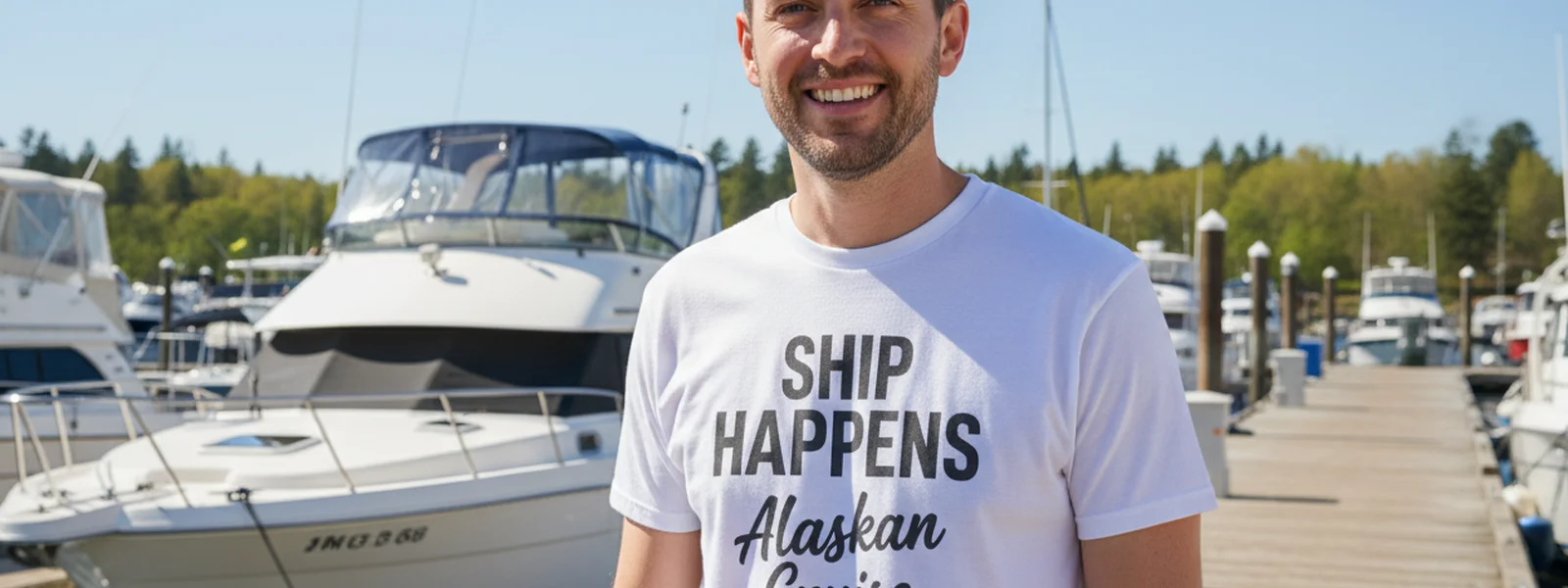
Ship Happens Nautical Humor T-Shirt for Boat Owners
3. Hull & Exterior Inspection: Your Boat's First Impression
The hull is what keeps you afloat, and the exterior is what everyone sees. A thorough inspection here is crucial. This is where you’ll spot the dings, the scrapes, and the inevitable growth from last season. Consider it your annual physical for the boat.
From Bow to Stern: What to Look For
- Hull Integrity: Walk around the entire boat. Look for cracks, blisters, or delamination. Pay close attention to the keel, chines, and transom. Tap around with a small hammer in suspect areas – a dull thud might indicate moisture intrusion.
- Bottom Paint: If you have it, check for bare spots or flaking. Touch up or apply a fresh coat if needed. This is one of those jobs nobody loves, but it’s essential for keeping the barnacles at bay.
- Zincs/Anodes: These sacrificial metals protect your boat from galvanic corrosion. If they’re more than 50% eaten away, replace them. They’re cheap, and the components they protect are not.
- Thru-Hulls & Seacocks: Inspect all thru-hulls for damage and ensure seacocks operate smoothly. Open and close them a few times. Lubricate if they're stiff.
- Deck Hardware: Check cleats, stanchions, railings, and hinges for looseness or corrosion. Tighten anything that’s wobbly. Lubricate moving parts.
- Canvas & Upholstery: Inspect covers, bimini tops, and seat cushions for tears, mildew, or sun damage. Clean thoroughly. Small repairs now prevent bigger problems later.
And for those brisk spring mornings when you're still working on the boat, a good hoodie is essential. Our Boat Hoodies are perfect for shoulder-season work at the marina or that dock-bar fire pit.
4. Safety Gear & Documentation: Better Safe Than Sorry (and Fined)
This isn't the exciting part of de-winterizing boat, but it's arguably the most important. Safety gear needs to be current, accessible, and in good working order. And your paperwork? Don't even think about leaving the dock without it. The Coast Guard or local marine patrol isn't interested in your excuses.
The Essential Safety Checklist
- Life Jackets: Ensure you have enough PFDs for everyone on board, and that they are the correct size and in good condition. Check expiration dates on inflatable PFDs.
- Fire Extinguishers: Check pressure gauges and ensure they are properly charged. Verify that they are accessible and within their expiration date.
- Flares/Visual Distress Signals: Check expiration dates. Most flares are only good for 3-4 years. Replace any that are expired.
- First Aid Kit: Replenish any used items and check for expired medications. Make sure it's fully stocked for the season.
- Sound-Producing Device: Horn, whistle, or bell. Test it.
- Throwable Device: A life ring or cushion. Ensure it’s easily accessible.
- Navigation Lights: Test all navigation lights (bow, stern, anchor) to ensure they are working. Replace bulbs if necessary.
- Documentation: Registration, proof of insurance, and any required licenses. Keep them in a waterproof bag on board.
It’s all about being ready for anything the water throws at you. And let's be honest, sometimes the biggest hazard is your own forgetfulness. If you've docked it once, you've docked it sideways, so being prepared is just good sense. You can grab our
for the inevitable moments where things don't go exactly to plan.5. The Inevitable Snags & Unexpected Costs
Let’s be real. No spring launch checklist boat edition is complete without acknowledging the financial decision shaped like a boat. Something will always go wrong. A hose clamp will be rusted. A wiring connection will have corroded. The impeller you replaced last year will mysteriously decide it’s done. This is the nature of boat ownership. Embrace the chaos, budget for the unexpected, and keep a good attitude.
Remember that time you spent an entire Saturday trying to track down an electrical short, only to find it was a loose fuse? Or the season the bilge pump decided to quit precisely when you needed it most? These are the stories that get told at the dock bar, usually over a beer, and usually with a wry smile. Because, yeah, ship happens. We started Ship Happens Shirt because every funny boat shirt online either looks like it was made in fifteen minutes or sounds like it was written by a cruise line. We wanted a shirt that lands at the dock, and that means one that understands the humor in these situations.
Having a few spare parts on hand can save a trip to the marine store (and a lot of frustration). Impellers, fuses, fuel filters, spark plugs – these are small investments that pay dividends in peace of mind. Think of it as your boater's emergency fund, but for actual boat parts.
6. Final Touches & Launch Day: The Moment of Truth
You’ve put in the work. You’ve checked the fluids, tested the electronics, and probably scraped a knuckle or two. Now comes the grand finale: getting your boat in the water. This is the payoff, the moment you’ve been waiting for all winter. But don't rush it.
Pre-Launch Rituals
- Drain Plug: Install it. Seriously. Every year, someone forgets. Don't be that guy.
- Dock Lines & Fenders: Have them ready and accessible. You don’t want to be fumbling for them as you approach the slip.
- Engine Start-Up (on land): Connect a hose to your engine's raw water intake (or use muffs for outboards/I/Os) and run fresh water. Start the engine for a few minutes. Check for leaks, listen for unusual noises, and confirm water is flowing out of the exhaust.
- Trailer Check: If trailering, ensure tires are properly inflated, lights work, and brakes are functional. Lubricate wheel bearings if needed.
The first few minutes after launch are critical. Check the bilge for any signs of water intrusion. Listen to the engine. Take it easy on the first run. A successful launch sets the tone for the entire boating season, so take your time and enjoy the moment. You've earned it. And once the work is done, you'll want to kick back in one of our Comfort Colors Boat Tees. They're garment-dyed and broken-in the day they arrive – the exact tee that belongs at a dock bar on a Saturday morning with a coffee.
Ready for the Water?
Getting your boat ready for boating season is an annual rite of passage. It's a blend of hard work, a little bit of luck, and a whole lot of knowing what to look for. By following a thorough spring launch checklist boat owners can ensure their season starts off right. Because when you’re out on the water, the last thing you want to be thinking about is that one thing you forgot to check.
For more insights into keeping your boat in shape (and your sense of humor intact), check out our End-of-Season Haul-Out: A Northern Boater's Reluctant Guide. It's the other end of the season, but the lessons carry over. And if you're looking for gear that truly gets the boating life, you know where to find us. Real boats. Real laughs.
and get ready for a good season.
Published by Ship Happens Shirt
Real boats. Real laughs.
Tied off and standing by
New designs, dock-life dispatches, and the occasional sale. No spam.