
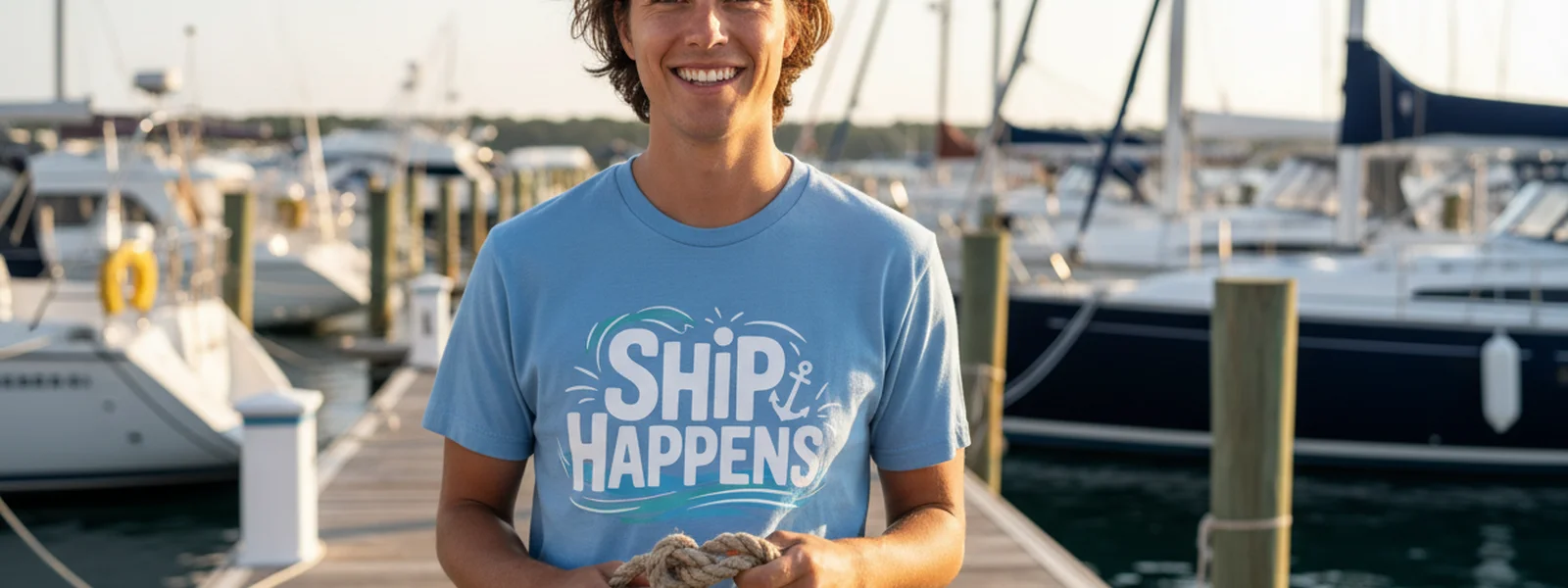
The Unsung Hero of the Dock (and Your Dignity)
Let's be real: when you first got into boating, you probably thought it was all about the sun, the water, and maybe a cold one at the end of the day. You weren’t wrong, but you were missing a critical piece of the puzzle: the knots. Knowing your way around a line isn't just for Boy Scouts or crusty old salts. It’s for you, the actual boat owner, the sailor who puts in the hours, and anyone who wants to avoid looking like a landlubber when the wind picks up.
Mastering essential sailing knots is less about showing off and more about quiet competence. It’s the difference between a secure mooring and a frantic scramble, between a neat dock line and a tangled mess that screams, "I just learned this on YouTube five minutes ago." Plus, there’s a certain satisfaction that comes with tying a perfect knot, a nod of recognition from your slip neighbors, and a bit of extra cred at the dock bar. Because real boats mean real laughs, and sometimes, those laughs are at the expense of someone who tied a granny knot where a bowline belonged.
The Bowline: Your Go-To for "It Ain't Going Anywhere"
If you learn one knot, make it the bowline. This isn’t just a suggestion; it’s a commandment written in salt and fiberglass. The bowline creates a non-slipping loop at the end of a line, perfect for securing fenders, attaching a dock line to a piling, or even for rigging a temporary rescue line (though let's hope you only use it for the former two). It's strong, reliable, and perhaps most importantly, easy to untie even after it's been under load.
Think of it as the foundational knot in your quick knot guide. You'll hear the old adage, "The rabbit comes out of the hole, around the tree, and back down the hole." It might sound like a children's story, but it's a mnemonic that works. Get this one down, and you’ve already elevated your game significantly. It’s the kind of knowledge that makes you feel like you actually know what you're doing, even if ship happens five minutes later.
The Cleat Hitch: Don't Be That Guy
You’ve seen it: the dock line that looks like a bird’s nest, or worse, the one that’s just wrapped around the cleat a few times, ready to slip with the next gust. Don't be that guy. The cleat hitch is one of those essential sailing knots that separates the casual visitor from the dock-life regular. It's simple, secure, and when done right, it looks clean and professional.
The trick is to use the cleat’s horns to your advantage, creating opposing turns that lock the line in place. No more than three full turns, with the final one being a half-hitch that locks it all down. It’s about efficiency and security, ensuring your boat stays where you left it, even when the wind decides to test your knots. If you've docked it once, you've probably seen a bad cleat hitch. Don't add to the problem.
The Clove Hitch: Quick and Dirty (But Still Useful)
The clove hitch gets a bad rap sometimes, and for good reason: it can slip under certain loads or if the object it's tied to isn't cylindrical. But for quick, non-critical tasks, it’s a winner. Need to temporarily secure a fender? Clove hitch. Need to hold something in place while you tie a more permanent knot? Clove hitch. It's the "good enough for now" knot.
It’s fast to tie and untie, making it invaluable for situations where speed trumps absolute security. Just remember its limitations. You wouldn't use it to tow another boat, but you'd definitely use it to hang your fishing net to dry. Knowing when to use it, and when to opt for a more robust knot, is part of the art of mastering sailing knots.
The Sheet Bend: Joining Forces (Without Getting Tangled)
Ever found yourself with two ropes of different diameters, needing to join them into one continuous line? That's where the sheet bend shines. Unlike the square knot (which is notorious for slipping when joining lines of unequal size), the sheet bend creates a strong, reliable union. It's an indispensable knot for extending dock lines, setting up temporary rigging, or any situation where you need to combine two lines securely.
It’s one of those practical how to tie knots that every boater, from the pontoon captain to the seasoned sailor, should have in their repertoire. The key is understanding how the two lines interact, creating a secure "bend" rather than a simple knot. It’s a testament to the ingenuity of traditional sailing knots, designed for real-world problems on the water.
The Figure Eight Knot: The Stopper That Actually Stops
You might be tempted to use a simple overhand knot as a stopper, but resist the urge. That little knot can jam up tight, making it a nightmare to untie. The figure eight knot, on the other hand, provides an excellent stopper that’s easy to tie, effective at preventing a line from running through a block or fairlead, and critically, easy to untie even after being under strain. It’s a cleaner, more professional choice.
For any boater, whether you're managing sheets on a sailboat or just keeping a fender line from disappearing into the drink, this is an essential addition to your sailing knots knowledge. It’s a small detail, but it’s the small details that make a difference between a smooth day on the water and a minor headache at the dock.
Beyond the Basics: Impressing the Neighbors (or Just Yourself)
Once you've mastered these fundamental sailing knots, there’s a whole world of rope work to explore. From the reef knot (perfect for bundling things up) to the anchor bend (for, well, anchors), the learning never really stops. And that’s part of the fun of owning a boat, isn’t it? There’s always another skill to refine, another piece of knowledge to acquire.
It’s about understanding the craft, the tradition, and the practicalities that come with real boats. If you’re looking to dive deeper into the nuances of boat handling and dock etiquette, you might enjoy our article, Sailing Lessons I Wish I'd Skipped (And One I Was Glad I Didn't). Or, if you prefer the lighter side of dock life, check out The Top 10 Funny Things Sailors Yell at Each Other.
For the boat owner who actually owns the boat, knowing your knots is just part of the deal. Show off your expertise (or at least your humor) with our Boat Owner Shirts, designed for people who spend more time at the marina than at the buffet.
The Right Gear for the Job (and the Laughs)
Knowing your sailing knots is a badge of honor, a quiet declaration that you’re not just a passenger, but a true boater. It's the kind of knowledge that makes you appreciate the humor in the daily grind of boat ownership.
Whether you're practicing your bowlines or just enjoying a cold one at the dock, you need the right gear. Our apparel is designed at the dock, printed on the good blanks, for people who understand that owning a boat is a financial-decision-shaped joke we all signed up for. Our Boat Humor T-Shirts are built to last through seasons of salt and sun, just like your favorite dock lines.
Consider our Ship Happens Nautical Humor T-Shirt for Boat Owners – it’s perfect for those who appreciate proper terminology and a good laugh.
And for a classic that always lands, grab our Ship Happens Boat Humor T-Shirt, because sometimes, that’s just how it goes.
Dock Notes: Quick Knot Guide
- Bowline: The indispensable loop that won't slip.
- Cleat Hitch: Secure your lines to a cleat like a pro.
- Clove Hitch: Fast and temporary for non-critical tasks.
- Sheet Bend: Joins two ropes, even of different sizes.
- Figure Eight Knot: The best stopper knot, easy to untie.
These knots are meant to be worn in, just like your favorite Comfort Colors Boat Tees. They get better with age and a little salt.

Published by Ship Happens Shirt
Real boats. Real laughs.
Frequently Asked Questions
Why are sailing knots so important for boat owners?
Sailing knots are crucial for safety, security, and efficiency on the water. Proper knots ensure your boat is securely moored, fenders are correctly placed, and lines won't slip under strain, preventing damage or loss. Beyond practicalities, knowing your knots demonstrates competence and experience to fellow boaters.
What is the most important knot a boater should know?
Without a doubt, the bowline is considered one of the most important knots. It forms a reliable, non-slipping loop that is easy to untie even after being under heavy load. It's versatile for countless applications, from securing dock lines to creating a temporary rescue loop.
Can I use any knot to secure my boat to a dock?
No, you should not use just any knot. While many knots can temporarily hold a line, only specific knots like the cleat hitch or bowline are designed for the security and ease of untying required for docking. Using incorrect knots can lead to lines slipping, jamming, or becoming impossible to release quickly.
What is the difference between a knot and a bend?
In nautical terms, a knot is generally used to create a loop, secure an object, or form a stopper in a single line. A bend, on the other hand, is specifically used to join two separate ropes or lines together. The sheet bend is a classic example of a bend used for this purpose.
How can I practice tying knots without a boat?
You can easily practice tying knots anywhere. Use any length of rope, cord, or even a shoelace. Practice regularly while watching TV, waiting in line, or just relaxing. Repetition is key to building muscle memory, making the knots second nature when you're actually on the water.
Are there any funny knot names to remember?
While most essential sailing knots have practical, straightforward names, the humor often comes from the situations they prevent or the colorful mnemonics used to teach them. For instance, the 'rabbit out of the hole' method for the bowline is memorable, and the 'granny knot' is universally known as the knot to avoid due to its unreliability and tendency to jam, often prompting a laugh at its expense.
Tied off and standing by
New designs, dock-life dispatches, and the occasional sale. No spam.