
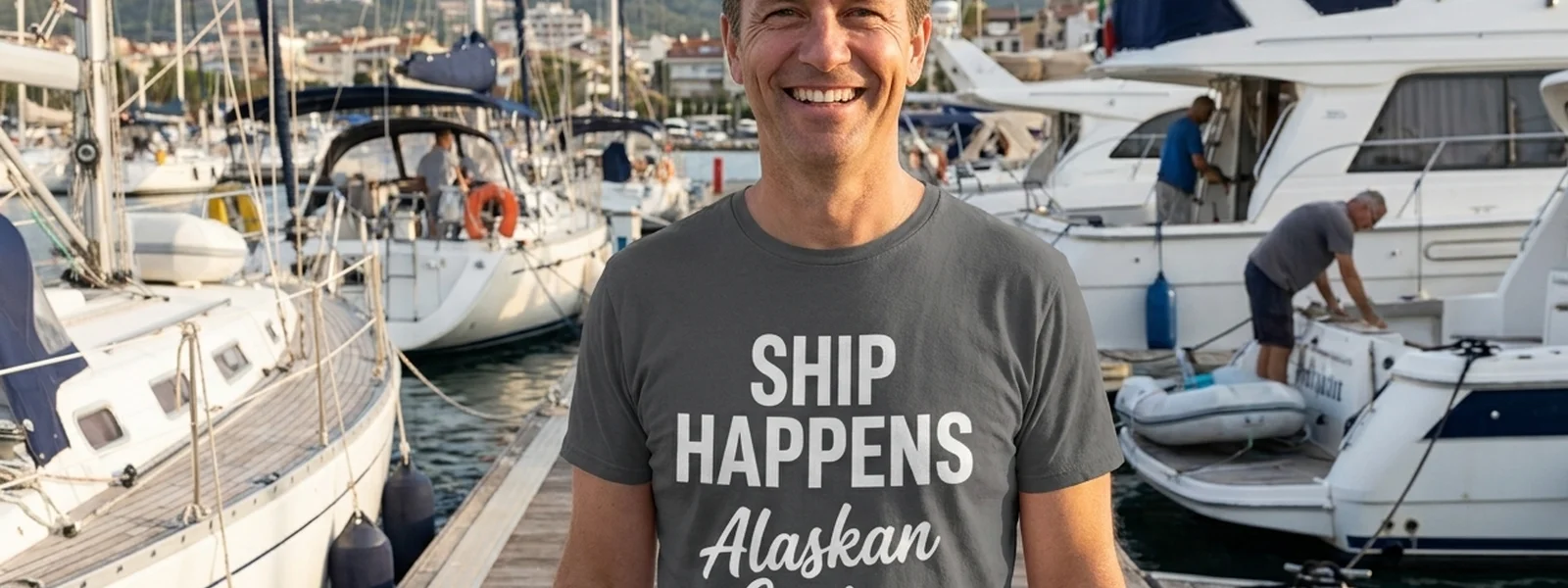
Stepping onto the dock, beer in hand, the smell of salt and diesel in the air — that’s the good life. But like any good neighborhood, the marina has its own set of unwritten rules. Ignore them, and you might find yourself with more than just a sideways docking story. This is your slip-renter's field guide to proper marina etiquette, because real boats mean real laughs, and sometimes, real headaches if you're not paying attention.
We’re talking about the practical dos and don’ts that keep dock life civilized, mostly. For the boat owner who actually owns the boat, these aren’t suggestions; they’re the code. You know the drill. If you've been around a few seasons, you've seen it all. If you're new, consider this your initiation. Nobody wants to be the guy everyone whispers about at the dock bar.
The Slip-Renter's Creed: Respecting Your Space (and Everyone Else's)
Your slip might feel like your own private island, but it's part of a larger community. Good marina etiquette starts with acknowledging that your neighbors are often just a few feet away, and their peace is just as important as yours. This isn't a cruise ship where someone else handles the details; this is real life on the water.
Noise & Neighbors: Keep it Down, Skipper
The early bird might get the worm, but the early engine-revver gets the stink eye. Firing up your big block at 6 AM on a Saturday, or running your generator for hours on end, is a fast track to becoming the least popular boat on the dock. Same goes for late-night dock parties that spill past midnight. We all enjoy a good time, but there’s a difference between lively conversation and a full-blown concert.
Think about sound travel over water. It carries. Your conversations, your music, even that bilge pump that sounds like a dying whale – everyone hears it. A little consideration goes a long way. If you wouldn't do it in your suburban driveway, don't do it in your slip. It's a simple rule, but it's often overlooked when the rum punch starts flowing.
Dock-Line Discipline: No Trip Hazards
Your dock lines are essential for keeping your vessel secure. That's a given. But leaving them coiled haphazardly on the finger pier, creating a labyrinth of trip hazards, is just asking for trouble. Someone is going to stumble, and it might be you, carrying a tray of drinks.
Learn to coil your lines properly. Keep them tidy. Use proper cleating techniques that don't look like a bird's nest. Not only does it look better, but it prevents accidents. And for the love of all that is salty, don't tie off to anything that isn't a designated cleat. Those power pedestals aren't for your spring lines.
Power & Water: Share the Juice, Share the Flow
Marina power and water are usually shared resources. Hogging the hose for an hour-long washdown when others are waiting, or daisy-chaining a dozen extension cords to power your entire boat (and maybe your neighbor’s too), is frowned upon. Use what you need, then free it up. If you've got a long-term washdown planned, pick a time when the dock is quiet.
And remember, water pressure can be fickle. Don't be the reason someone else is showering in a trickle. These are the small courtesies that make or break neighborly boating. It's not rocket science, just common sense.
Waste Not, Want Not: Keeping the Marina Clean
A clean marina is a happy marina. It’s also often a legal requirement. Disposing of your trash and waste properly isn't just good marina life tips; it's essential for the health of the waterways we all enjoy. There are no magical sea-fairies who clean up after you.
Trash Talk: Use the Bins
It sounds obvious, but you’d be surprised. All trash, from empty beer cans to old fishing line, needs to go in the designated bins. Don't leave it on the dock for the wind to carry away, and definitely don't toss it overboard. That goes double for things like old oil, batteries, or hazardous waste. Marinas usually have specific disposal points for these items. Ask if you're unsure. Nobody wants to see a stray plastic bag floating next to their hull.
And speaking of fishing line, that stuff is lethal to marine life and prop shafts. Coil it up, put it in the trash. It’s a small effort that prevents a big problem.
Head Honchos: Pump Out or Hold On
This is non-negotiable. If your boat has a head, use the pump-out station. Do not, under any circumstances, discharge your holding tank into the marina or navigable waters. It’s illegal, disgusting, and completely disrespectful to every other boater. Most marinas offer pump-out services, sometimes even mobile ones. Make use of them.
If your holding tank is full and there's no pump-out available, then you hold it. Simple as that. This is basic dock rules, and frankly, basic human decency.
The Launch & Retrieve Tango: Mastering the Ramp
The boat ramp is a high-stress environment, especially on a busy weekend. Good manners here can prevent arguments, fender benders, and a lot of unnecessary waiting. You're not the only one with a boat to get in or out of the water.
- Prep Before You Back: Get your boat ready in the staging area, not on the ramp itself. Remove covers, load gear, attach lines, insert drain plugs, and secure your bow line before you even think about backing down.
- Be Quick, But Not Reckless: Once on the ramp, execute your launch or retrieve efficiently. Don't dawdle. But don't go so fast you endanger others or damage your boat/trailer.
- Park Smart: After launching or retrieving, move your vehicle and trailer to the designated parking area immediately. Don't block the ramp while you chat with friends or organize your cooler.
- Offer Help (If Asked): If someone looks like they're struggling, a polite offer of assistance can be a lifesaver. But don't hover or criticize. Nobody needs an unsolicited lesson in front of an audience.
The Unwritten Rules of the Dock Bar: More Than Just a Drink
The dock bar is the social hub of any marina. It’s where stories are told, lies are embellished, and the shared misery of boat ownership is celebrated. But even here, there are rules. For more on this critical topic, you might want to check out The Unspoken Rules of the Dock Bar (And How to Break Them Politely).
Always pay your tab. Don't be the guy who 'forgets' his wallet. And while we love a good boat story, know when to wrap it up. Nobody wants to hear about your prop shaft drama for the third time in an hour. It's a place for camaraderie, not a confessional. Our
is practically standard uniform in these establishments.Borrowing & Lending: A Matter of Trust
Dock life fosters a sense of community, and sometimes that means needing a wrench, a spare fuse, or a bit of advice. Lending a hand is part of the deal. But remember the key rules of borrowing and lending:
- Ask First: Never assume you can just grab something off a neighbor's boat or out of their dock box.
- Return Promptly: And in the same (or better) condition. Clean that wrench before you hand it back.
- Don't Be a Regular Borrower: If you constantly need to borrow tools, maybe it's time to invest in your own.
- Don't Ask for Fuel: This is a hard stop. Nobody wants to drain their tank for you.
- Say Thank You: A simple thank you, or even buying your helper a beer, goes a long way in building good neighborly boating relations.
Kids, Pets, and Common Sense: Keeping Everyone Safe
Marinas are full of hazards – open water, slippery docks, heavy equipment. It’s not a playground, and it’s certainly not a dog park. Ensuring the safety and comfort of everyone, including the non-boaters, is paramount.
Supervise your kids. Always. They should wear life jackets on the docks, especially if they’re young. Teach them not to run, not to play near the edge, and never to board another boat without permission. Pets should always be on a leash, their waste picked up and properly disposed of. No one wants to step in that. These are simple rules that prevent big problems and ensure everyone can enjoy their time at the marina.
Why Bother? The Payoff of Good Marina Etiquette
All these rules, written and unwritten, might sound like a lot. But they boil down to one thing: mutual respect. When everyone practices good marina etiquette, dock life becomes infinitely more enjoyable. It fosters a sense of community, where people look out for each other's boats, share a laugh over a cold one, and genuinely enjoy their time on the water.
It means fewer arguments, less stress, and more time actually enjoying your boat. It’s why we do this, right? The challenges of boat ownership are enough without adding friction with your slip neighbors. For those who get it, and who live it, we've got you covered. Check out our
for apparel that speaks your language. Our perfectly captures the spirit of knowing that sometimes, despite your best efforts, ship happens.So, tie your lines right, keep the noise down, and always offer a nod to your fellow boaters. We're all in this leaky boat together, after all. And for more of the kind of humor that lands at the dock, not the buffet, browse our full
collection. You might even find the perfect for your next adventure. Or, if you're just looking for that perfectly broken-in feel for your dock-bar mornings, our are exactly what you need. And speaking of dock bars, you might enjoy reading Why Dock Bars Are the Last Real American Bar.
Published by Ship Happens Shirt
Real boats. Real laughs.
Frequently Asked Questions
What are the most common marina etiquette mistakes?
The most frequent slip-ups include excessive noise early in the morning or late at night, leaving dock lines as trip hazards, hogging shared power and water, and improper waste disposal. These small oversights can quickly sour relations with your slip neighbors.
How should I handle noise around my boat slip?
Be mindful of how sound travels over water. Keep engine noise to a minimum during quiet hours, typically early mornings and late evenings. If you're playing music, keep the volume respectful, and ensure conversations don't carry too loudly into other slips.
What's the proper way to dispose of trash at a marina?
Always use designated trash and recycling bins for all waste. Never leave trash on the dock or toss anything overboard. For hazardous materials like old oil or batteries, inquire with marina staff about specific disposal points to ensure environmental safety.
Are there specific rules for boat ramp usage?
Yes, always prepare your boat in the staging area before backing onto the ramp to minimize delays. Be efficient when launching or retrieving, and immediately move your vehicle and trailer to designated parking once your boat is in or out of the water. Patience is key on busy days.
What's the etiquette for borrowing tools or gear from a neighbor?
Always ask permission before touching anything on a neighbor's boat or in their dock box. If you borrow something, return it promptly and in the same condition (or cleaner). Avoid becoming a habitual borrower; invest in your own tools when possible, and always say thank you.
How should I manage kids and pets at the marina?
Children should always be supervised and wear life jackets on the docks. Teach them not to run or board other boats without permission. Pets must be on a leash, and their waste should be picked up immediately and disposed of properly in designated bins. Marinas are working environments, not playgrounds.
Tied off and standing by
New designs, dock-life dispatches, and the occasional sale. No spam.