
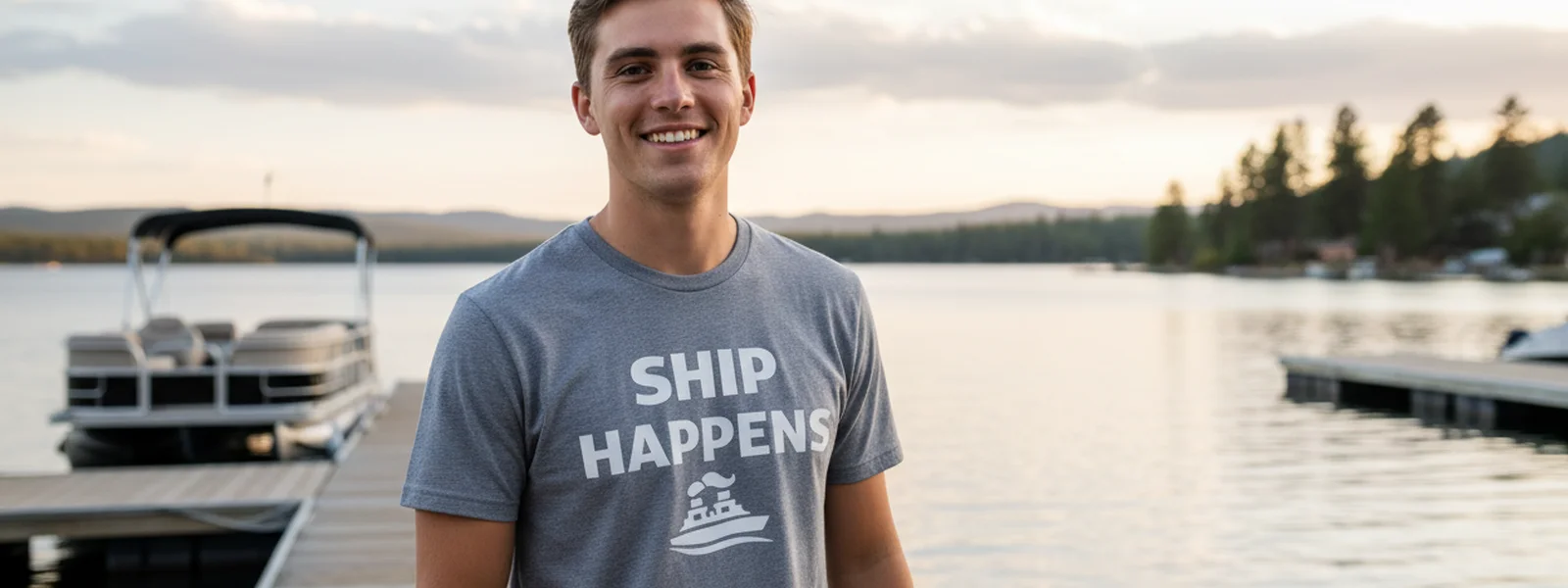
You’ve seen the bumper stickers: “Life is Better at the Lake.” If you’re reading this, you probably agree. But if you actually live that life — the one with the trailer hitch, the slip fees, and the perpetual search for a lost fender — you know there’s a whole language that goes with it. It’s a language not spoken on the open ocean, nor understood by your average cruise passenger. We’re talking about specific lake life terms, the kind that only inland boaters truly get.
Freshwater boating isn’t just a different body of water; it’s a different culture. It’s less about battling rough seas and more about navigating shallow coves and dodging rogue inner tubes. So, grab a cold one, pull up a dock chair, and let’s decode the essential inland boating vocabulary that makes lake life, well, lake life.
The Anatomy of a Lake Weekend: More Than Just “Going Out”
For coastal folks, “going out on the boat” might mean a deep-sea fishing trip or a long sail. On the lake, it’s a more nuanced affair. The rhythms are different, the destinations are different, and so are the terms.
Sandbar Sunday
This isn’t a beach. It’s a shallow spot, often formed by sediment, where everyone anchors up, drops the ladder, and wades around with a drink. It’s a floating block party, complete with portable grills and questionable music choices. The trick is getting there without running aground, and leaving without someone else’s anchor line tangled in your prop. If you know, you know. We’ve got plenty of designs for the boater who understands the nuances of such endeavors. You can find gear that speaks to this particular experience in our
Lake Life Boat Shirts collection
Cove Party
Similar to a Sandbar Sunday, but usually deeper and more secluded. Boats tie off to each other, forming a raft-up, creating a temporary floating village. It’s where you see everything from elaborate inflatable islands to impromptu potlucks. The unofficial rules of a cove party are simple: don’t crowd the guy trying to grill, and always offer to share your snacks. This is prime territory for some real dock-bar humor.
The “Lake Loop”
A loosely defined route around the lake, usually taken at a leisurely pace. It’s less about getting anywhere and more about seeing and being seen. You’ll pass the same landmarks, wave to the same boats, and maybe even stop at the same lakeside bar. It’s the boating equivalent of a Sunday drive, but with more spray and less traffic.
Pontoon-Specific Lingo: It’s Not Just a “Boat”
Pontoon boats are the unsung heroes of inland waterways. They take the most abuse, carry the most people, and generally have the most fun. And with that unique status comes a specific set of pontoon terms and phrases.
- Tube Taxi: Your pontoon’s primary function on a busy Saturday. You’re not just driving; you’re chauffeuring a fleet of screaming kids on inflatable donuts.
- The Front Porch: The bow of a pontoon, where the most important conversations (and sunbathing) happen. Often equipped with cupholders and a serious sound system.
- Prop Wash Shower: The refreshing (or not-so-refreshing) spray from the propeller when someone jumps off the back while the engine is still idling. A classic rookie mistake, but a memorable one.
- Slow Roll: The preferred speed for a pontoon owner through a no-wake zone. It’s not fast, but it’s steady, and it allows for maximum people-watching.
- The “Floating Living Room”: A common, affectionate (and accurate) description of a pontoon boat, especially after it’s been decked out with comfortable furniture and a cooler that could feed a small army.
Pontoon owners get made fun of, but they also get the last laugh. If you’re one of them, you’ll appreciate our
our Ship Happens Nautical Humor T-Shirt for Boat Owners
The Social Scene: Dock & Cove Culture
Lake life isn’t just about the boat; it’s about the community around it. The marina, the dock bar, the impromptu gatherings — these are the places where the real traditions are forged and the best stories are told. This is where the true lake specific jargon comes alive.
Dock Tails
The freshwater equivalent of happy hour, usually held on the dock itself. Everyone brings a drink, maybe a snack, and shares stories about the day’s near-misses and triumphant catches. It’s where you learn about new fishing spots and the best way to clean a bilge pump. This is the kind of gathering where you’d see our
Ship Happens Boat Humor T-Shirt
The “Regatta” (with air quotes)
A casual, often unscheduled race between two or more boats heading in the same direction. Rules are minimal, bragging rights are everything, and the winner is usually determined by who has the biggest wake or the most enthusiastic passengers. It's not the America's Cup, but it's just as serious to the participants.
The “Marina Mechanic”
That one guy at the marina who seems to know how to fix everything. He’s usually found with a wrench in hand and a half-empty beer nearby. He’s an invaluable resource, and his advice is usually worth its weight in gold (or at least a six-pack). Every dock has one, and every boater relies on them at some point. You can find shirts for every role in our
Boat Owner Shirts collection
Navigating the Fresh: Inland Boating Vocabulary
While some terms overlap with saltwater boating, inland waterways have their own unique set of challenges and, therefore, their own vocabulary. Understanding these freshwater boating words is key to a smooth day on the water.
Skinny Water
Any area of the lake that’s shallower than you’d prefer, especially if you’re in a boat with a deep draft. It’s where prop scars are born and expensive repairs are made. Knowing your lake’s skinny water spots is a rite of passage for any seasoned boater.
The “No-Wake” Zone
A designated area where boats must operate at minimal speed to avoid creating a wake. Often found near marinas, swimming areas, or residential shorelines. Violating this rule is a cardinal sin, usually met with dirty looks and muttered curses from fellow boaters. It’s a common source of frustration, and a great topic for some self-aware humor.
The Green Can
A navigational buoy, typically green, indicating the port (left) side of a channel when returning from the open lake. It’s a simple marker, but knowing its purpose is fundamental to safe passage. It’s part of the unspoken language of the lake.
Why Lake Life Hits Different
The unique set of lake life terms we’ve explored aren’t just words; they’re shorthand for shared experiences. They speak to the camaraderie of fellow boaters, the quiet satisfaction of a perfect sunset from the bow of your pontoon, and the universal understanding that owning a boat is a financial decision shaped like a joke we all signed up for.
It’s the smell of two-stroke oil mixed with sunscreen, the sound of laughter echoing across the water, and the dry humor that comes from dealing with everything from a dead battery to a sudden squall. It’s real boats, real laughs, and a language all its own.
So, the next time you’re out on the water, listen closely. You’ll hear these phrases, and you’ll know you’re among your people. And if you want to show you’re fluent in this distinct inland boating vocabulary, we’ve got the apparel for it. Our
Boat Tank Tops
For more insights into the lighter side of boating, check out The Best Funny Boating Shirts of 2026 (We're Biased) or even The Boater's Guide to Not Running Aground (Humorously). We’re always adding new designs that speak to the real boat owner. Shop the Lineup and find your next dock uniform.

Published by Ship Happens Shirt
Real boats. Real laughs.
Frequently Asked Questions
What makes lake boating different from ocean boating?
Lake boating typically involves shallower waters, more defined channels, and a focus on social activities like sandbar gatherings or cove parties. The challenges often revolve around navigating crowded areas, no-wake zones, and managing freshwater-specific conditions, rather than open-ocean swells or deep-sea navigation.
What is a 'cove party' in lake life terms?
A 'cove party' refers to a gathering of multiple boats tied together, or 'rafted up,' in a secluded cove. It's a social event where boaters swim, grill, and socialize, creating a temporary floating community away from the main channels. It's a staple of inland boating culture.
Why do pontoon boat owners have their own specific jargon?
Pontoon boats, often called 'floating living rooms,' offer a distinct experience on the water, leading to unique pontoon terms. Their design emphasizes comfort and social interaction, inspiring phrases like 'tube taxi' or 'the front porch' to describe their specific uses and features.
What is 'skinny water' and why is it important to know?
'Skinny water' refers to any area of a lake that is unusually shallow. It's crucial for boaters to know these spots to avoid running aground, damaging propellers, or getting stuck. Familiarity with skinny water is a mark of an experienced inland boater.
Are 'no-wake zones' common in freshwater boating?
Yes, 'no-wake zones' are very common in freshwater boating, especially near marinas, residential areas, and swimming beaches. These designated areas require boats to operate at a speed that creates minimal wake, ensuring safety and preventing shoreline erosion. Violating them is generally frowned upon.
Tied off and standing by
New designs, dock-life dispatches, and the occasional sale. No spam.